Cold Plasma Oxidation
Non-thermal oxidation designed to help treat a wide range of contaminants in wastewater, so treated water can be prepared for discharge or reuse.
From Electrical Discharge to Cleaner Water
Cold plasma applies electrical energy to a gas to create reactive species that oxidize contaminants.
High-Voltage Electrical Discharge
Electrical energy is applied to a gas (air, oxygen or water vapor) to create cold plasma.
Reactive Oxidizing Species
Cold plasma generates highly reactive species and radicals that power oxidation.
Contaminants Broken Down
Reactions can oxidize and degrade complex organic pollutants, pathogens and other contaminants.
Cleaner Treated Water
Contaminants are converted to simpler by-products, so water can be prepared for discharge or reuse.
Designed for Demanding Wastewater
Broad-Spectrum Oxidation
Designed to oxidize a wide range of contaminants.
Organic Load Reduction
Designed to help lower COD, BOD, color and toxicity.
Chemical-Free or Low-Chemical Support
Can reduce the need for chemical oxidants and help limit sludge generation.
Modular and Scalable
Compact, flexible systems that can scale from pilot to full-scale operation.
Lower Secondary Pollution
Designed to limit secondary pollution from treatment chemicals.
Supports Water Reuse
Helps enable reuse in non-potable applications and circular water strategies.
Where Cold Plasma Oxidation Can Fit
Eight settings, one approach.
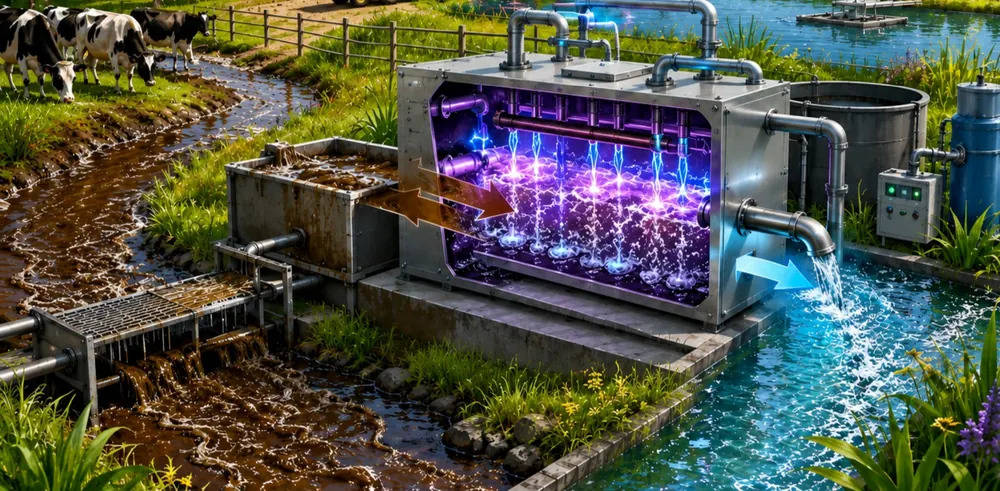
Agricultural Wastewater
Can treat farm and livestock wastewater by helping reduce odors, organic pollutants and runoff impacts, producing cleaner water for discharge or reuse.
Ask about this →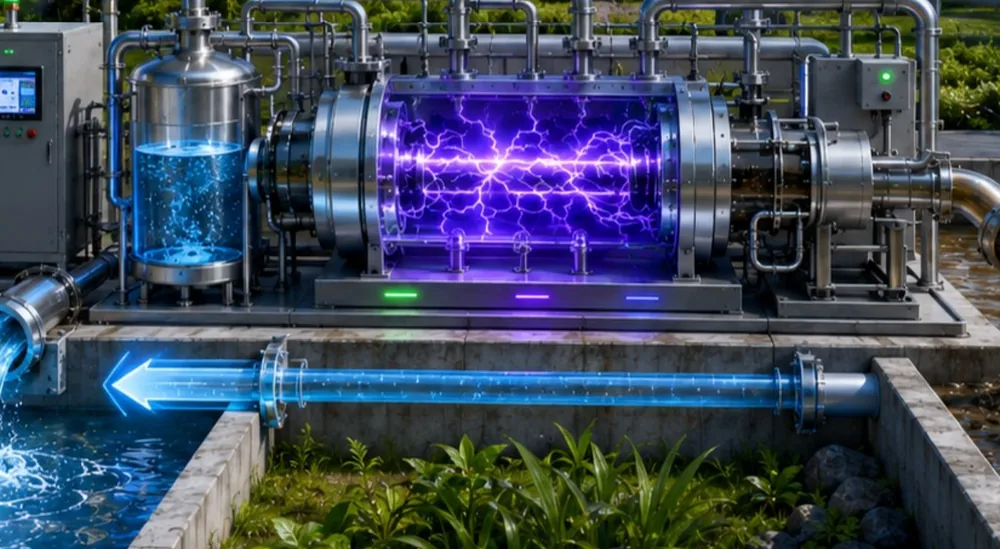
Data Center Water Management
Can help improve cooling-water and reuse-water quality by reducing contaminants, supporting reliable system operation and water resiliency.
Ask about this →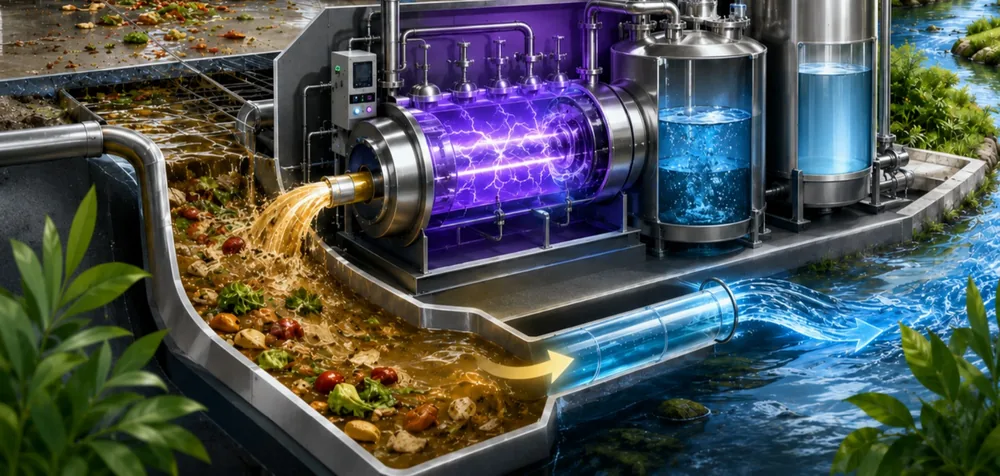
Food Processing Wastewater
Can help food and beverage facilities reduce organic load, fats, oils and washdown contaminants while supporting cleaner discharge and water reuse.
Ask about this →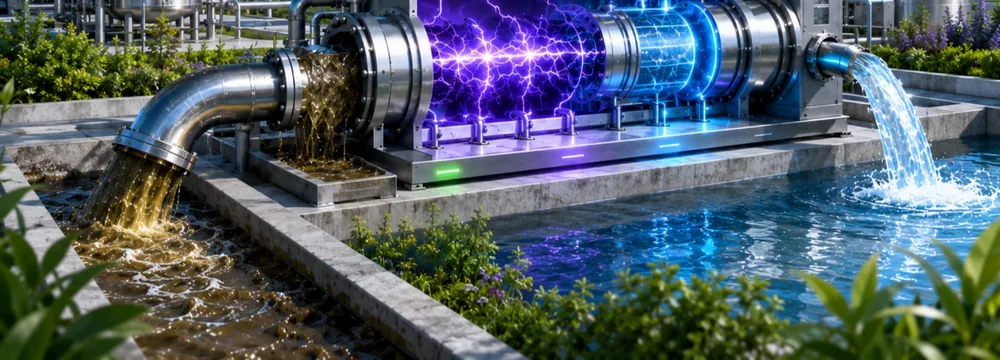
Pharmaceutical Wastewater
Can help reduce complex organic contaminants and wastewater toxicity, as a chemical-light approach that supports water management goals.
Ask about this →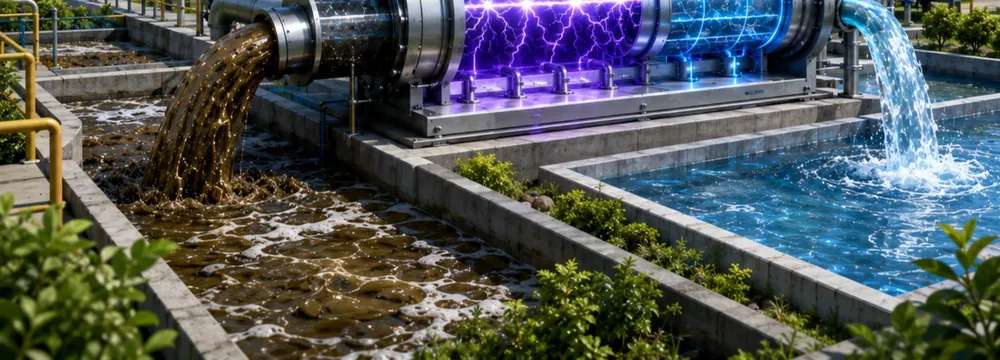
Industrial Wastewater
Can help industrial facilities treat complex wastewater streams by breaking down contaminants and reducing pollutant loads.
Ask about this →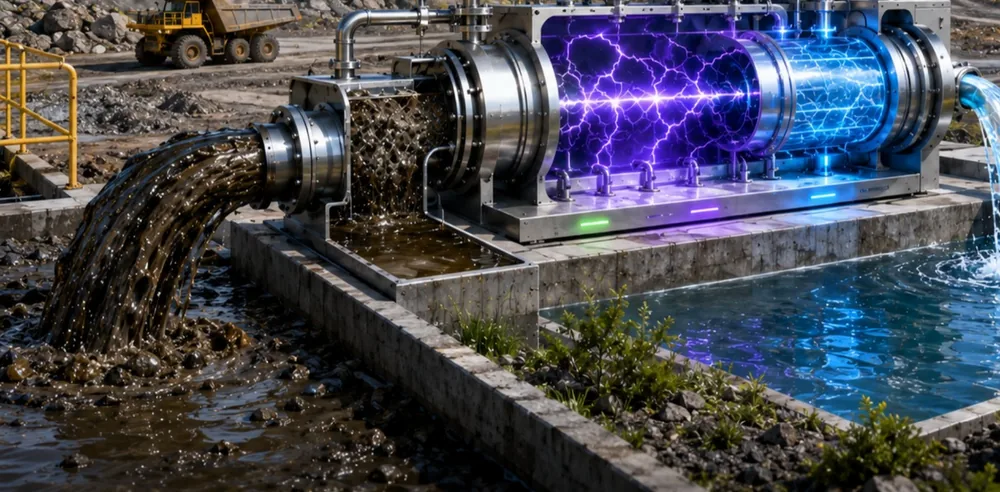
Mining Wastewater
Can help treat process water and wastewater by reducing organic pollutants, odors and contaminant loads, supporting cleaner discharge and reuse potential.
Ask about this →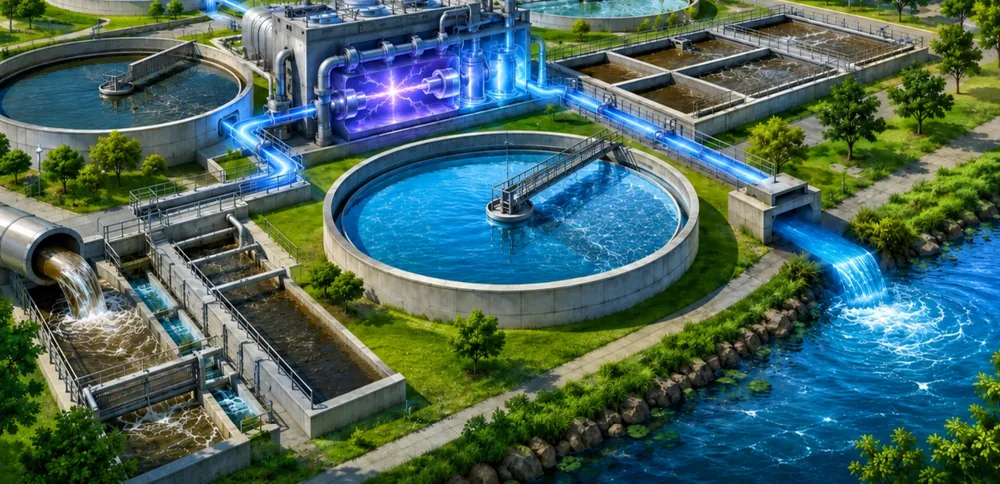
Municipal Wastewater
Can support municipal treatment systems by helping improve effluent quality and reduce contaminants.
Ask about this →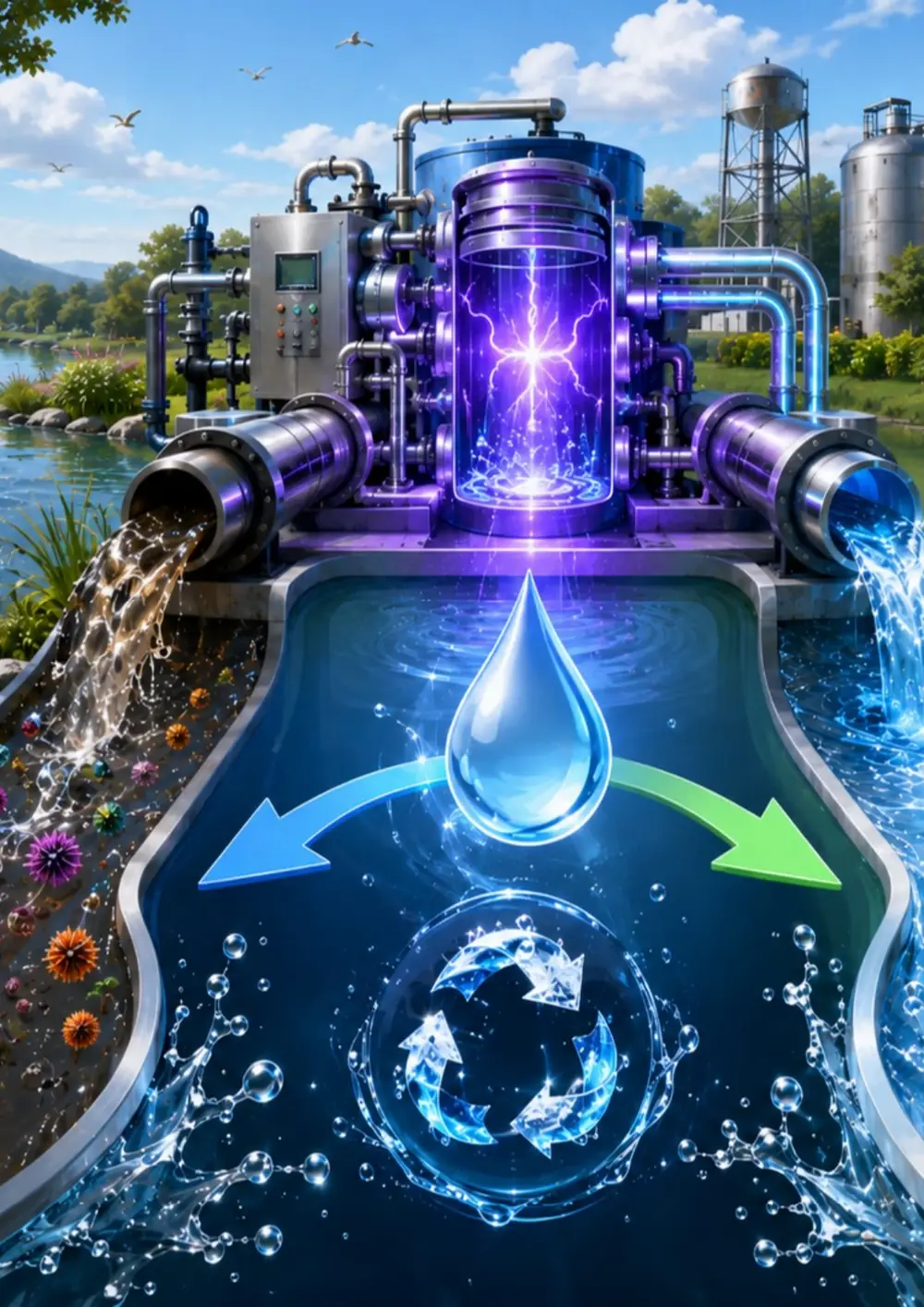
Discharge or Reuse
After treatment, water can be prepared for discharge or for beneficial reuse such as irrigation, industrial processes and non-potable use.
Ask about this →Talk to Us About Cold Plasma
Tell us about your wastewater stream and we will follow up.
Request InformationNano-Tech Nano-Bubble Ozone
See how Nano-Tech treats water at the molecular level.
How Nano-Tech Works →